
Exposure conditions
Check atmosphere chemistry, temperature range, duty cycle, loading and any design-code restrictions.
Heat-resistant austenitic stainless steel
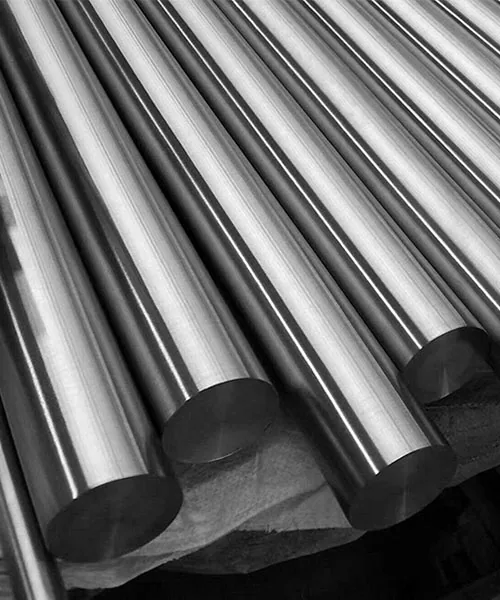
Stainless Steel 310S round bar is a lower-carbon chromium-nickel austenitic stainless steel designated UNS S31008 and EN 1.4845. Its alloy composition is valued for oxidation resistance in selected high-temperature equipment, including heat-treatment and furnace assemblies.
Piyush Steel India handles enquiries for SS 310S round bars by grade, governing standard, diameter, length, finish and inspection requirements. Supply, price and delivery depend on the exact specification and quantity.
At a glance
Confirm the grade, standard, dimensions and supply condition against the order documents.
Material overview
SS 310S is the lower-carbon variant of Type 310 stainless steel. Chromium and nickel support oxidation resistance in many high-temperature atmospheres, while the lower carbon limit can help reduce carbide precipitation during fabrication or exposure to certain temperature ranges.
310S is not automatically suitable for every furnace atmosphere or pressure-bearing component. The operating temperature, mechanical load, corrosive species and relevant design code must all be assessed. For a related higher-carbon grade, review Stainless Steel 310 Round Bar.
Buyer selection guide
A grade designation alone does not establish whether a bar meets the project's design or acceptance requirements. Use the drawing and purchase standard to specify the product.
Industrial uses
310S can be selected for fabricated or machined parts where elevated-temperature oxidation resistance matters. Examples to evaluate against the actual service specification include:
Resistance varies with oxidizing, carburizing, sulfur-containing and other environments; verify design temperature, stress, creep and thermal cycling before approval.
Supply specifications
The dimensions in the supplied page are indicative enquiry ranges, not confirmed stock quantities. Obtain a current quotation for the required diameter and delivery condition.
| Specification item | Information for enquiry |
|---|---|
| Product | Round bar / solid circular section |
| Grade | 310S; UNS S31008 |
| Referenced bar standards | ASTM A276, ASTM A479; EN 10088-3 or JIS G4303 when contractually applicable |
| Indicative diameter | 5–500 mm (source-page range; verify availability) |
| Indicative length | Up to 6 metres (confirm cut lengths and tolerances) |
| Surface | Bright, black or polished, subject to condition and size |
| Inspection documents | MTC, heat identification and additional inspection as agreed in the order |
Round bar is the focus of this page. Different cross sections or manufacturing routes may be required by a drawing: hex bar, flat bar, bright bar and forged bar. Each form and material-grade combination needs its own availability check.
Chemical composition
Reference percentage by mass taken from the original page. The controlling standard and edition determine the acceptance limits.
| Element | Reference composition (% by mass) |
|---|---|
| Chromium (Cr) | 24.0–26.0 |
| Nickel (Ni) | 19.0–22.0 |
| Carbon (C) | 0.08 maximum |
| Manganese (Mn) | 2.0 maximum |
| Silicon (Si) | 1.0 maximum |
| Phosphorus (P) | 0.045 maximum |
| Sulfur (S) | 0.030 maximum |
The composition table is reference information, not a certified analysis for material offered for sale. Use the applicable specification and supplied MTC for acceptance.
Mechanical properties
These values were shown on the supplied page as reference values. Actual minimums or maximums depend on the bar standard, diameter, supply condition and testing requirements.
| Property | Source-page reference |
|---|---|
| Tensile strength | 515 MPa (minimum stated) |
| Yield strength | 205 MPa (minimum stated) |
| Elongation | 30% (minimum stated) |
| Reduction of area | 40% (minimum stated) |
| Hardness | 237 HBW (maximum stated) |
The original page associated hardness with NACE MR0175 without a substantiated connection to these values; that label has been removed. Do not use the reference figures as design allowables or a certificate of NACE compliance.
Technical considerations
Check atmosphere chemistry, temperature range, duty cycle, loading and any design-code restrictions.
Verify annealing or finishing condition, bar size, test temperature and specified mechanical acceptance criteria.
Confirm machining, forming and welding requirements, including any post-fabrication treatment specified by the design.
Define heat-number identification, MTC format, dimensional checks and additional inspection before order placement.
Grade designations
These naming systems help locate the intended grade, but they do not prove full interchangeability between product standards.
| System or product specification | Reference designation |
|---|---|
| UNS | S31008 |
| EN designation | 1.4845 / X8CrNi25-21 |
| JIS | SUS 310S |
| ASTM bar specifications | A276 / A479 (subject to grade and edition) |
Before substituting any grade or supply standard, compare chemical, mechanical, dimensional and testing requirements. See SS 310 Round Bar and the stainless steel round bar category.
Product questions
Stainless Steel 310S round bar is an austenitic chromium-nickel stainless steel bar, designated UNS S31008. It combines high chromium and nickel levels with a lower carbon limit than Grade 310 and is considered for parts exposed to elevated temperatures.
310S has a lower maximum carbon content than standard 310. This can reduce the risk of carbide precipitation during certain thermal cycles and fabrication procedures. Grade substitution must still be approved against the applicable material standard.
Common references include UNS S31008, EN 1.4845 (X8CrNi25-21), SUS 310S and bar specifications such as ASTM A276 or ASTM A479. Specify the governing standard and edition on the purchase order.
SS 310S is considered for some furnace and heat-treatment components because of its oxidation resistance. Temperature, atmosphere, loading, creep and thermal cycling determine suitability; there is no single safe service-temperature limit for every design.
The source page lists an indicative diameter range of 5–500 mm, lengths up to 6 metres, and bright, black or polished finishes. These are enquiry references rather than confirmed inventory; availability and tolerances must be checked for each order.
Send the material designation, bar standard and edition, diameter, length, quantity, delivery condition, surface finish, dimensional tolerance, test-document needs, destination and required delivery date.
Specification-led enquiries
Include the governing standard, dimensions, quantity, condition, testing requirements, documentation, and destination.