
Manufacturer · Exporter · Supplier
Beryllium Copper Round Bar
Beryllium copper round bars combine high strength with useful electrical conductivity and elastic performance. UNS C17200 (Alloy 25) is a precipitation-hardenable copper alloy used for springs, precision components and electrical or industrial parts. The required temper, bar dimensions and test documentation should be identified before material selection.
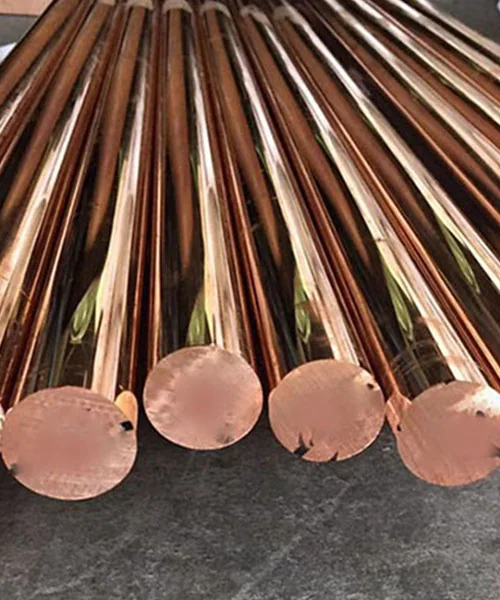
- Featured alloy
- UNS C17200 / Alloy 25
- Product reference
- Beryllium Copper Round Bar
- Enquiry details
- Grade, dimensions and supply condition
- Enquiry basis
- Grade, standard, size, condition, testing, and destination
Category selection guide
How to select a product within Beryllium Copper Round Bar
Choose the product record that matches the grade or designation in the governing document. Then confirm the product standard, size, condition, finish, tolerance, testing, and documentation instead of relying on the category name alone.
Material and product information
What Is Beryllium Copper Round Bar?
Beryllium copper is a copper-based alloy that develops high strength and spring performance through controlled heat treatment. The material is also valued for electrical conductivity and wear resistance. The exact balance of strength, hardness and conductivity depends on the alloy designation and temper.
The main grade discussed on this page is UNS C17200 (Alloy 25), a high-strength copper-beryllium alloy. It should not be confused with pure copper, copper-nickel alloys or nickel-based superalloys.
For related material families, compare the nickel-copper composition of Monel round bars and the marine-focused applications of Copper Nickel round bars. Their compositions and strengthening behaviour differ from C17200.
Which Beryllium Copper Grades Are Covered by ASTM B196?
ASTM B196/B196M covers wrought copper-beryllium rod and bar. The table distinguishes the grades within that specification; C17200 is the grade highlighted on this category page, not a claim that all grades are kept in stock.
| UNS grade | Common designation | Nominal beryllium | Main distinction |
|---|---|---|---|
| C17000 | Alloy 165 | About 1.7% | Lower beryllium content within the high-strength alloy family |
| C17200 | Alloy 25 | About 1.9% | High-strength precipitation-hardenable alloy; primary grade on this page |
| C17300 | Free-machining variant | About 1.9%, with lead addition | Modified for improved machinability; distinguish from C17200 |
What Are the Specifications for Beryllium Copper Round Bars?
| Featured alloy | UNS C17200 / Alloy 25 |
|---|---|
| Rod and bar specification | ASTM B196/B196M (confirm edition and applicable temper) |
| Material form | Straight-length round bars and rods; size and tolerance to purchase specification |
| Supply condition | Solution-treated, cold-worked or precipitation-hardened, as specified |
| Inspection | Specified chemistry, dimensions, tensile properties and hardness, as applicable |
| Ordering details | UNS grade, ASTM edition, diameter, length, temper, quantity and inspection documents |
ASTM B196/B196M is a rod and bar specification. Requirements for forgings, extrusions, plate and other forms may fall under different standards, so material form must be confirmed.
What Is the Chemical Composition of C17200?
Typical C17200 chemistry contains approximately 1.8–2.0% beryllium with copper as the principal balance. Other element limits are controlled by the applicable material specification. Do not use a nominal value as a substitute for the certified heat analysis.
| Element | C17200 composition overview | Technical role |
|---|---|---|
| Copper (Cu) | Balance | Base metal contributing conductivity and general copper-alloy properties |
| Beryllium (Be) | Approximately 1.8–2.0% | Enables significant precipitation strengthening after aging |
| Nickel + cobalt | Controlled minor additions | Participate in alloy chemistry and precipitation behaviour |
| Other elements | Limited by the governing standard | Must be checked against specified analysis limits |
How Does Heat Treatment Affect Beryllium Copper Strength?
Unlike many ordinary copper alloys, C17200 responds strongly to precipitation hardening, sometimes called aging. Material may be delivered solution-treated for further forming, cold-worked, or already age-hardened. Its final strength and ductility cannot be stated accurately without specifying the temper.
| Temper example | Condition | Practical consideration |
|---|---|---|
| TB00 (A) | Solution heat-treated | Selected when subsequent fabrication and aging are planned |
| TD04 (H) | Hard cold-drawn | Cold-worked material requiring consideration of final aging treatment |
| TF00 (AT) | Precipitation heat-treated | Strengthened condition; verify actual test results |
| TH04 (HT) | Cold-worked and precipitation heat-treated | Higher-strength condition for specified applications |
Mechanical properties depend on bar size and temper. The purchase order and mill test certificate should state the required condition rather than using one tensile-strength value for every C17200 bar.
Where Are Beryllium Copper Round Bars Used?
Beryllium copper bar is machined or formed into electrical connectors, contacts, resilient components, precision instruments, springs, bushings and other parts requiring a combination of mechanical performance and conductivity. Suitability depends on loads, exposure, operating temperature, friction and other service conditions.
Bar geometry and finish should match the component drawing. Browse the general Round Bar and Bright Bar product-form pages when comparing supply forms.
What Should Be Checked During Machining and Inspection?
Before machining, confirm whether components will be aged after shaping or supplied in the final hardened condition. Inspect grade identity, dimensions, straightness, surface condition and the applicable chemical and mechanical test certificates.
Processing safety: Machining, grinding or polishing that generates airborne beryllium-containing dust or fumes requires appropriate exposure controls and compliance with occupational safety requirements. Solid alloy handling and dust-generating processing are not the same exposure scenario.
How Should Beryllium Copper Round Bar Be Specified?
For a clear technical enquiry, state C17200 / Alloy 25, the required ASTM B196/B196M edition, diameter, length, temper or aging condition, quantity, inspection requirements and delivery destination. If an alternative grade or special form is needed, identify it explicitly rather than assuming interchangeability.
For purchasing requirements, review the quality assurance information and send a technical enquiry with the required specification and test documents.
Frequently asked questions
Beryllium Copper Round Bar FAQs
What is UNS C17200 beryllium copper?
C17200, also called Alloy 25, is a precipitation-hardenable copper-beryllium alloy known for high strength, spring properties and useful electrical conductivity.
Which ASTM standard covers beryllium copper round bars?
ASTM B196/B196M covers copper-beryllium alloy rod and bar, including UNS C17200. The required edition and temper should be confirmed.
What is the difference between C17200 and C17300?
C17200 is Alloy 25, while C17300 is a lead-containing, free-machining modification. They should not be substituted without checking the specification and service requirements.
Can beryllium copper be heat treated after machining?
Some C17200 tempers are supplied for fabrication followed by aging. Others are already precipitation hardened. The heat-treatment route should follow the grade, temper and component requirements.
Is the strength of every C17200 round bar the same?
No. Tensile strength, hardness, yield strength and elongation vary with temper, section size and the applicable standard. Check the specified condition and test report.
What precautions apply when machining beryllium copper?
Dust- or fume-generating operations need suitable exposure controls and workplace safety procedures. Refer to the material safety information and applicable occupational requirements.