
Hastelloy C22 Round Bar
Review dimensions, condition and technical requirements for Hastelloy C22 Round Bar.
View productManufacturer · Exporter · Supplier
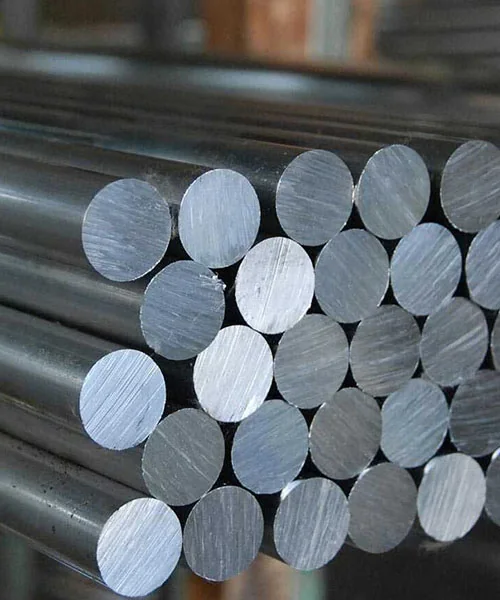
Hastelloy round bars are solid nickel-based alloy bars used to make components for equipment exposed to demanding chemical environments. The C22 and C276 grades contain chromium and molybdenum, which contribute to resistance against different forms of corrosion. They are used for machined parts such as valve stems, fasteners, shafts and fittings where the service conditions require a suitable corrosion-resistant alloy.
The choice of alloy depends on the chemicals present, concentration, temperature, pressure and mechanical loading. Bar diameter, surface condition, material standard and inspection requirements also need to be defined before a material is specified.
Product discovery
Compare 2 products below, then send your grade and size requirements.
Review dimensions, condition and technical requirements for Hastelloy C22 Round Bar.
View productReview dimensions, condition and technical requirements for Hastelloy c276 Round Bar.
View productNo matching product is shown. Check the spelling or send the governing designation with your enquiry.
Category selection guide
Choose the product record that matches the grade or designation in the governing document. Then confirm the product standard, size, condition, finish, tolerance, testing, and documentation instead of relying on the category name alone.
Material and product information
Hastelloy C22 and C276 are nickel-chromium-molybdenum alloys used where common engineering steels may not provide adequate corrosion resistance. Their performance depends on the particular process solution and operating conditions. The alloy grade must be selected from the engineering specification, not from the trade name alone.
The two grades listed in this product directory are C22 and C276. Their UNS designations provide a precise way to identify the material.
| Grade | UNS designation | General characteristics |
|---|---|---|
| Hastelloy C22 Round Bar | N06022 | Nickel-chromium-molybdenum alloy with relatively high chromium content; considered for varied oxidizing and mixed chemical environments. |
| Hastelloy C276 Round Bar | N10276 | Nickel-molybdenum-chromium alloy with tungsten; widely used for demanding process equipment exposed to several corrosive media. |
Neither grade is universally better. Laboratory corrosion data and real operating conditions should guide the final selection.
ASTM B574 covers rod and bar forms for several low-carbon nickel-chromium-molybdenum alloys, including UNS N06022 and UNS N10276. The specified edition and product condition control the acceptance requirements.
| Item | Technical information |
|---|---|
| Product form | Round bar and rod |
| Common grades | C22 (UNS N06022); C276 (UNS N10276) |
| Bar and rod specification | ASTM B574; verify the applicable edition |
| Material group | Nickel-based corrosion-resistant alloys |
| Delivery condition | Solution-annealed and finished as permitted by the applicable specification |
| Surface options | Pickled, mechanically descaled, turned or ground, as specified |
| Diameter and length | According to the selected grade, standard and purchase requirements |
| Inspection | Chemical analysis, tensile testing and dimensional inspection as specified |
Nickel forms the main part of both alloys. Chromium helps provide resistance in many oxidizing conditions, while molybdenum is important for resistance in a range of reducing environments. Tungsten is also present in C276. Small changes in composition and the service environment can influence corrosion behaviour.
| Element or feature | C22 (N06022) | C276 (N10276) |
|---|---|---|
| Main alloy base | Nickel | Nickel |
| Chromium | Generally higher than C276 | Generally lower than C22 |
| Molybdenum | Important alloying element | Important alloying element; generally higher than C22 |
| Tungsten | Present in controlled amounts | Present in controlled amounts |
| Chemical limits | Confirm against ASTM B574 | Confirm against ASTM B574 |
The values on a mill test certificate should be compared with the relevant specification. A general grade description should not replace the certified chemical analysis.
The principal reason for choosing these alloys is their corrosion performance in selected industrial conditions. Mechanical strength, ductility and dimensional stability must also be checked for the finished component.
| Property | Practical consideration |
|---|---|
| Corrosion resistance | Depends on alloy grade, medium, temperature and concentration |
| Strength | Use the specified condition and applicable test values for design |
| Fabrication | Machining requires suitable tooling, feed rates and heat control |
| Weldability | Can be welded with qualified procedures and suitable filler selection |
| Surface condition | Must meet the specified finish and dimensional tolerance |
| Inspection | Material identity and traceability are important for process equipment |
Round bars provide stock material for components that are subsequently machined or fabricated. Typical applications include parts used in chemical processing, pollution control and other process industries.
| Application area | Possible components |
|---|---|
| Chemical processing | Valve stems, pump parts, fittings and fasteners |
| Pollution-control equipment | Components in selected gas-cleaning and scrubber systems |
| Process engineering | Shafts, pins and machined equipment components |
| Marine and offshore equipment | Specialized components where a project specification requires the alloy |
| Industrial maintenance | Replacement parts made to matching material and dimensional requirements |
These examples are not a guarantee of suitability. Corrosion testing or published alloy data may be necessary for chemicals with uncertain service behaviour.
Both alloys are used for corrosion-resistant equipment, but their compositions are not identical. The selection should account for the actual mixture of oxidizing and reducing chemicals rather than relying only on a general corrosion-resistance claim.
| Comparison | C22 (N06022) | C276 (N10276) |
|---|---|---|
| Alloy system | Nickel-chromium-molybdenum | Nickel-molybdenum-chromium-tungsten |
| Chromium level | Relatively higher | Relatively lower |
| Molybdenum level | Relatively lower | Relatively higher |
| Common use consideration | Mixed and oxidizing process environments | Various aggressive chemical process environments |
| Selection basis | Process chemistry, temperature and specification | Process chemistry, temperature and specification |
For detailed grade information, see Hastelloy C22 Round Bar and Hastelloy C276 Round Bar.
These nickel-based alloys are formed into bar stock using controlled hot-working operations, followed by solution heat treatment and finishing as required by the specification. Bars may be turned or ground to reach the required surface condition and dimensions. The exact manufacturing route depends on the diameter, grade and delivery condition.
Machining can be more demanding than for ordinary carbon steel because these alloys can work-harden. Tool selection, feed and cutting conditions should be planned for the particular component. General information about bar products is available on the Round Bar page.
Chemical analysis identifies the alloy composition. Tensile tests verify mechanical properties for the specified material condition. Dimensional checks confirm bar diameter, length and tolerances; surface and additional non-destructive testing can be agreed where required.
Material traceability is especially important where the bar is intended for equipment handling hazardous or corrosive chemicals. The purchase documents should state the applicable standard, inspection certificate requirements, and any project-specific test procedures.
A complete specification should name the grade and UNS designation, ASTM B574 edition, bar diameter, length, quantity, heat-treatment condition, surface finish and dimensional tolerances. The intended operating environment should be reviewed by the responsible engineering team before final material approval.
Material questions
No. C22 and C276 are nickel-based corrosion-resistant alloys. Their chemical composition differs from that of common stainless steels.
ASTM B574 covers rod and bar products including UNS N06022 and UNS N10276. Check the specified edition and material condition.
Not automatically. The alloys have different chemical compositions, and a substitution requires review of corrosion conditions, mechanical requirements and the governing specification.
The required delivery condition depends on the grade and bar specification. Solution-annealed material is commonly specified for corrosion-resistant service.
Specify the alloy grade, UNS number, standard, diameter, length, quantity, surface condition, tolerances and inspection requirements.
Grade verification typically uses a mill test certificate and chemical analysis, with additional positive material identification where required by the project.
Specification-led enquiries
Send the grade or standard, dimensions, quantity, condition, testing requirements, documentation, and destination.