
Start with the heat number and certificate
Match the identification on the bar or bundle to the certificate and purchase order. Check the product standard, grade, heat number, dimensions and supplied condition. Keep that association when bars are cut. If the marking is missing or inconsistent, segregate the stock until its identity has been established.
Understand the difference between 303 and 316
Sulfur improves the machining behavior of 303, with trade-offs in corrosion resistance and weldability. Grade 316 contains molybdenum and is selected for greater corrosion resistance in suitable environments. Carpenter's grade data and machining guidance explain these distinctions; neither grade is universally best.
Choose a test that can verify the required elements
Positive material identification can support grade verification. X-ray fluorescence is useful for many alloying elements, but the test method, instrument and calibration must cover the elements that distinguish the specified grade. XRF cannot measure carbon. Specify the test scope with the inspection provider instead of accepting a screen label alone.
Do not identify material by appearance or price
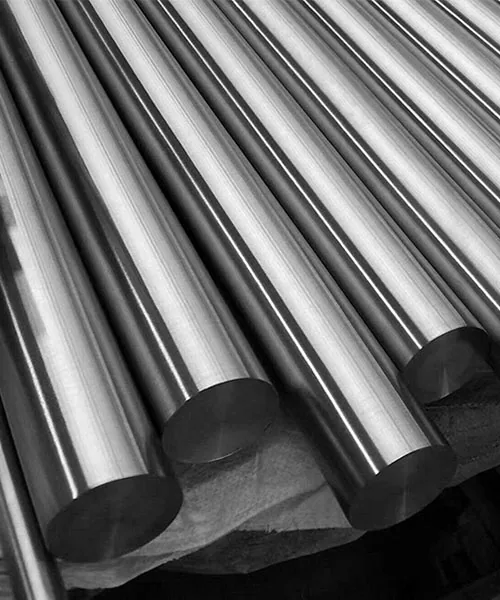
Both grades can have similar finishes, and manufacturing condition affects appearance. Purchase price is also influenced by dimensions, quantity and supply conditions. These observations are not acceptance tests. An informal corrosion trial likewise does not replace a traceable chemical analysis or the governing inspection procedure.
Select for the finished component
For a turned component, discuss chip control, surface finish and the environment in which the part will operate. For welded or corrosive service, review those requirements before specifying 303. For 316, evaluate the actual chloride exposure and temperature rather than treating the grade as corrosion-proof.
Information to send with an enquiry
Include the drawing grade, standard and edition, diameter, cut length, quantity and condition. State whether you need heat traceability, chemical verification or third-party inspection. If you are identifying existing stock, provide the marking and certificate for review before ordering replacement material.